Table Of Content

The invention of cruise control can be traced back to the late 1940s and early 1950s, when engineer Ralph Teetor developed the first-speed control system. This innovative feature was designed to help drivers maintain a steady speed, reduce fatigue while driving, and improve fuel efficiency. Over the years, cruise control technology has undergone significant advancements, leading to the development of sophisticated systems like adaptive cruise control.
Get Car Support Solve Any Problem
Most of our kits are DIY ready (or by a professional auto shop, if you prefer), and you’ll be able to find the exact kit in our inventory for your specific vehicle. Overall, the future of cruise control technology holds promise for creating a more seamless and enjoyable driving experience, with a focus on safety, comfort, and sustainability. It's like having an extra set of eyes on the road, making highway driving a breeze. Plus, some ACC systems can even handle stop-and-go traffic, bringing your car to a full stop and then picking up speed again when traffic gets moving. Experienced drivers, of course, will probably be familiar with the basics of what cruise control does, even if they haven't really used it themselves.
How To Set Cruise Control
These advanced systems are known as adaptive cruise control, intelligent cruise control, or active cruise control. The system constantly maintains the speed set by you (driver) irrespective of road conditions. For example, if there’s an incline ahead, cruise control adjusts the throttle accordingly to maintain the same speed. Initially, the system used a cable to control the accelerator (throttle valve). It adjusted the vehicle's speed by engaging the throttle with the help of an actuator that is controlled by a cable.
Does cruise control use more gas?
However, as a safety precaution, almost all cars will deactivate the cruise control as soon as you press the brake pedal. Step 2 - Once your car reaches the desired speed, activate cruise control. However, locating the exact button when the vehicle is parked is better to avoid any distractions while driving. When you accelerate hard, your engine uses more energy and you could use 60% more fuel than someone using cruise control.
2024 Porsche Panamera Prototype First Drive Review: Cruise Controller - SlashGear
2024 Porsche Panamera Prototype First Drive Review: Cruise Controller.
Posted: Tue, 22 Aug 2023 07:00:00 GMT [source]
Check your car’s controls
In hazardous weather conditions, such as ice or snow, using cruise-control can be dangerous. If the vehicle skids, cruise control may continue to accelerate, increasing the risk of losing control. Cruise-control can also be problematic when approaching curves that require slowing down, as it may not adjust speed appropriately. Cruise control can serve as an invaluable tool for drivers, but isn't infallible. Ensuring that you use it for its intended purpose is the key to best taking advantage of it.
It allows the driver to maintain a constant speed of 25 mph without holding their foot on the accelerator. Cruise control is best suited for long drives on large, straight roads such as an interstate highway with cars traveling at a relatively constant speed. It’s inappropriate in stop-and-go traffic; when weather conditions are snowy, icy, or even heavy rain; on narrow, curvy roads; or with frequent speed limit variations. The time and attention it takes to disengage the cruise control in these situations could lead to a crash. Intelligent Cruise Control (ICC), also known as Active Cruise Control (ACC), is an advanced form of cruise controle that uses sensors and cameras to detect the distance and speed of the vehicles ahead. ICC not only maintains a safe distance from the vehicle ahead but also adjusts the speed of the vehicle to match the flow of traffic.
If we need to slow down, we can tap the brakes or use the “Cancel” button to temporarily disengage cruise control. Once we’re at the desired speed again, we can reactivate it with a simple button press. Accelerate to your desired speed as you prepare to activate cruise control. Do not attempt to set cruise control when you are traveling over the speed limit.
Cruise Control and Road Etiquette
When traffic slows down or comes to a stop, the Stop-and-Go Cruise Control system automatically applies the brakes to bring the car to a complete stop. When the traffic ahead starts moving again, the system automatically accelerates the car to follow the flow of traffic. Some ACC systems also come with collision warning systems that alert the driver if the car gets too close to the vehicle ahead. Some systems can also detect pedestrians, animals, or other obstacles and apply the brakes if necessary. Occasionally, you may encounter issues with your cruise control systems. Common problems include cruise control not engaging or disengaging unexpectedly.
Installing cruise control on my 10-year-old Suzuki Grand Vitara - Team-BHP
Installing cruise control on my 10-year-old Suzuki Grand Vitara.
Posted: Sat, 16 Jul 2022 07:00:00 GMT [source]
The below table highlights the key differences between cruise control and adaptive cruise control. Step 4 - Keep your eyes on the road as it is very easy to get distracted when the car is accelerating automatically. The most important input is the speed signal; the cruise control system does a lot with this signal. First, let's start with one of the most basic control systems you could have -- a proportional control.
Regular cruise-control maintains a constant speed but doesn’t take into account the traffic around us. On the other hand, adaptive cruise-control is like having a smart companion. It uses sensors to detect the distance to the vehicle in front of us and automatically adjusts our speed to maintain a safe following distance.
Conventional cruise control uses its computer to maintain a speed determined and manually set by the driver with no awareness of or regard for surrounding traffic and conditions. Capable of responding to topographical changes, like going up and down hills, the computer increases throttle pressure or engages the engine brake to maintain the preset speed. Accelerating with the cruise control system in a car is like using the pedal in terms of acceleration rates and should feel familiar. Slowing down is akin to taking your foot off the gas and won’t slow the car as fast as applying the brake.
Cruise control is a popular feature in modern vehicles that can make driving more comfortable and less stressful. There are several types of cruise control systems that drivers can choose from, depending on their driving conditions and preferences. Standard cruise control is the most basic system, which allows the driver to set a constant speed that the vehicle will maintain. Adaptive cruise control, on the other hand, uses sensors to detect the distance and speed of vehicles in front of the car, adjusting the vehicle’s speed accordingly to maintain a safe following distance.
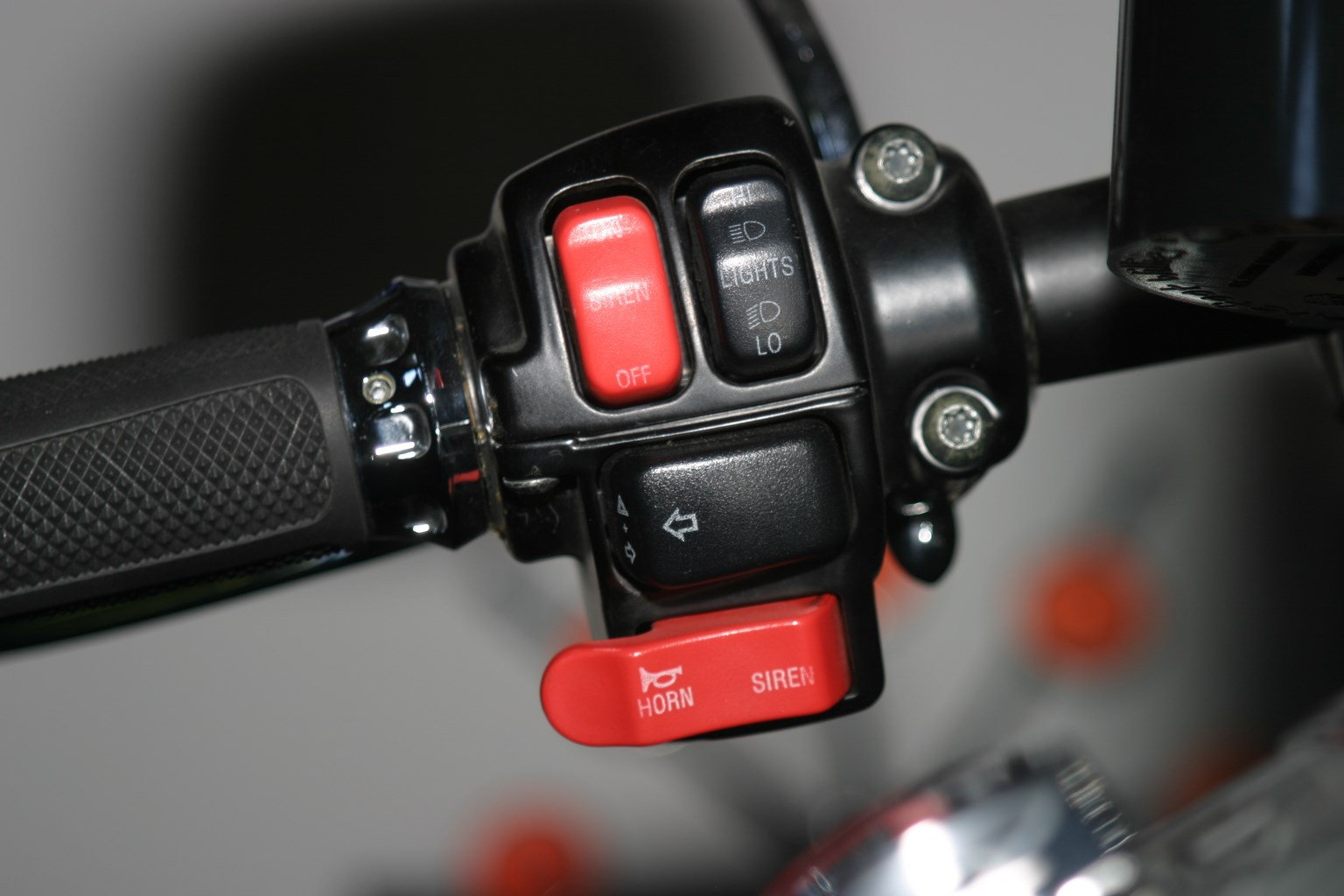
We recommend consulting your car’s owner’s manual to decode the cruise control buttons and their operation for your specific vehicle. Here’s a list of the driver-operated functions provided by the cruise control buttons and toggles. Some controls perform multiple functions, depending on how they are used.


No comments:
Post a Comment